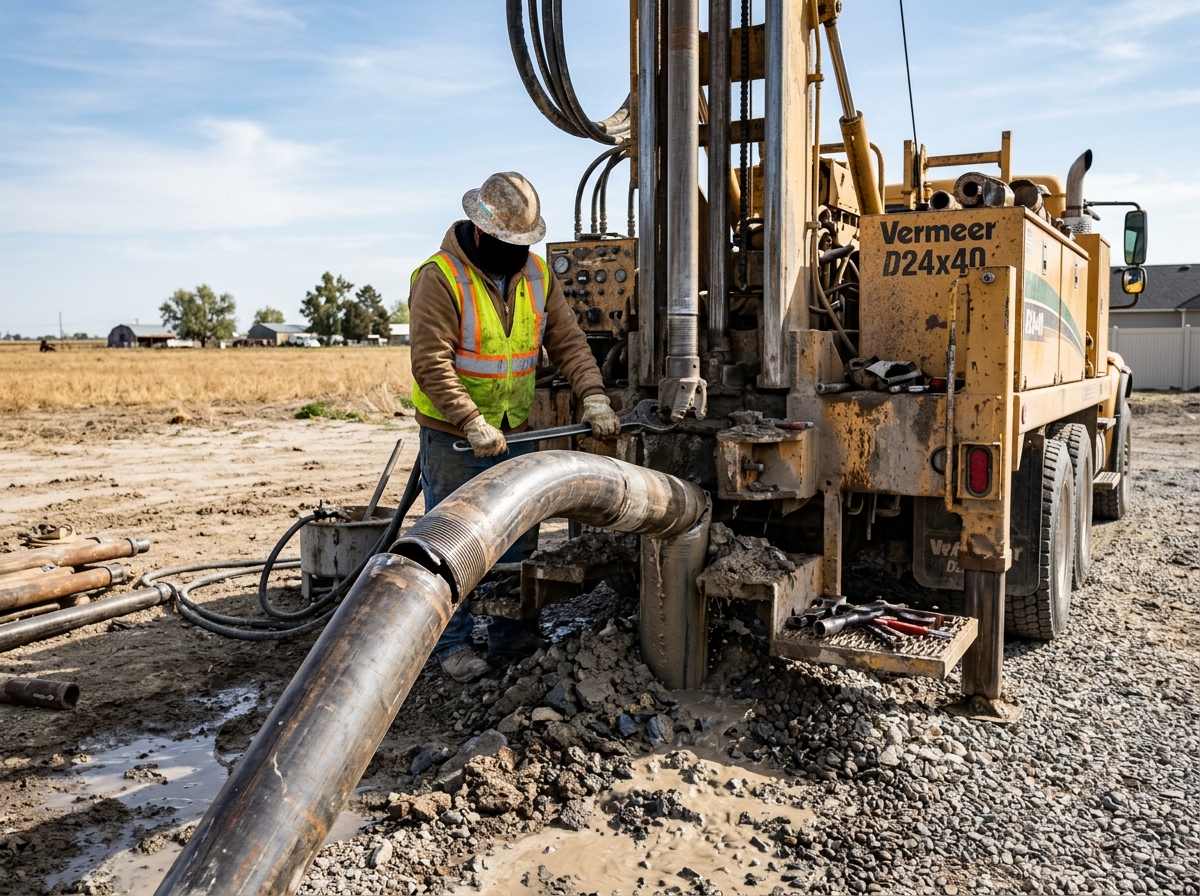
Common Mistakes People Make with Water well drilling (new wells) in Nampa
Installing a new water well is one of the biggest infrastructure decisions a Nampa homeowner or property owner can make. It's also one where mistakes can be expensive, time-consuming, and potentially unsafe. Whether you're drilling on rural acreage, a ranch property, or commercial land in the Treasure Valley, understanding what goes wrong before you break ground can save you tens of thousands of dollars and years of headaches. We've seen it all at KLS Water Well. We've repaired wells that never should have been drilled where they were. We've deepened wells that could have been properly designed from the start. We've installed pumps to compensate for poor initial drilling decisions. The good news is that most of these problems are preventable. Here are the mistakes we see most often, and how to avoid them.
Hiring the Cheapest Contractor, Not the Best One
This is the number one mistake we encounter. A homeowner gets three quotes for new well drilling in Nampa, and they pick the lowest price without asking critical questions.
Here's the reality: well drilling is not a commodity service. Two contractors quoting the same project might have vastly different approaches, equipment, expertise, and track records. A contractor who underbids may cut corners on well casing depth, grouting procedures, or sanitary sealing. They might use older equipment that takes longer and increases contamination risk. They might not have proper insurance or licensing.
When you're comparing quotes, ask: How deep do they expect to drill based on local geology? What diameter casing are they using? What's their grouting and sealing process? Do they have references from recent Nampa-area wells? Are they licensed and bonded? The cheapest option often becomes the most expensive when you factor in repairs, well cleaning and rehabilitation, or having to drill a second well.
Skipping Professional Site Assessment and Hydrogeological Evaluation
Some property owners think they can just pick a spot based on where their neighbor's well is, or where water seems "logical" on the property. This is a recipe for drilling in the wrong location or hitting poor-quality water.
Nampa sits in a complex hydrogeological zone. The Treasure Valley's water table, aquifer depth, and water quality vary significantly even within the same neighborhood. A professional assessment includes soil testing, existing well data review, and geological mapping. It identifies the best drilling location to maximize water yield and minimize contamination risk.
Without this assessment, you might drill 400 feet when you only needed to go 250 feet. You might hit a layer of poor-quality water. You might position your well too close to septic systems, agricultural runoff, or other contamination sources. A proper site evaluation costs $500 to $1,500 upfront but prevents drilling mistakes that cost $5,000 to $15,000 to fix.
Ignoring Local Regulations and Permitting Requirements
Idaho Department of Water Resources has specific rules for well drilling in Ada County and the Nampa area. Some property owners skip the permitting process to save money or time, thinking they can just drill and deal with it later.
This creates legal liability. An unpermitted well can become a problem when you sell the property, apply for a loan, or if water rights disputes arise. The county might require you to cap or remove an unpermitted well. You could face fines. If your unpermitted well contaminates groundwater, you're liable for remediation costs that dwarf the original drilling expense.
A licensed contractor handles permitting as part of the process. They know Nampa's specific requirements, water rights considerations, and environmental protection rules. This isn't optional bureaucracy. It's protection for your investment and your property's future value.
Failing to Plan for Proper Well Depth and Water Quality Testing
Some people assume that once water appears during drilling, you're done. In reality, the first water encountered might be shallow, poor-quality, or contaminated.
Proper well drilling in Nampa typically means drilling into a reliable aquifer at adequate depth to ensure consistent, clean water year-round. Initial water testing is critical. You should test for bacteria, nitrates, hardness, pH, and other contaminants before you finalize the well completion. If testing shows problems, you might need to drill deeper to a better aquifer layer.
Skipping this step means you could develop a well that produces rusty water, has bacterial contamination, or runs dry during drought periods. These problems are much harder to fix after the well is finished. Proper pump installation and repair also depends on knowing your water quality and yield characteristics upfront.
Inadequate Well Casing, Grouting, and Sealing
This is where corners get cut most often by inexperienced or rushed contractors. The well casing, grout seal, and sanitary cap aren't glamorous, but they're absolutely critical.
Proper well construction includes steel casing at the correct diameter and depth, high-quality grout sealing the annular space between the casing and borehole, and a sanitary cap that prevents surface contamination. These elements protect your water from surface runoff, septic leakage, agricultural chemicals, and other contaminants.
Shortcuts include using undersized casing, inadequate grout volume, or poor-quality sealing materials. The well might work fine for a year or two, then develop bacterial contamination or yield problems. Fixing this requires professional well cleaning and rehabilitation or potentially drilling a new well.
Not Planning for Future Maintenance and Monitoring
Many new well owners think drilling is a one-time event. You drill, install a pump, and never think about it again. That's not how wells work.
Wells require periodic maintenance, water quality monitoring, and preventive care. Water tables fluctuate seasonally. Pumps wear out. Sediment accumulates. Without monitoring, you might not notice problems until your well stops producing reliable water.
A professional contractor helps you establish a maintenance plan. Regular well cleaning prevents sediment buildup. Periodic water testing catches contamination early. Pump maintenance extends equipment life. This ongoing care is far cheaper than emergency repairs or well deepening projects.
Drilling Without Understanding Local Water Rights and Aquifer Conditions
In Idaho, water rights are allocated and regulated. You can't just drill a well and pump unlimited water. Understanding your water rights, the aquifer's sustainable yield, and seasonal variations is essential.
Some property owners drill a well only to discover they can't legally pump the volume they expected, or that they're in a groundwater management area with restrictions. Others drill in areas where aquifers are declining, and their well becomes less productive over time.
A qualified contractor familiar with Nampa's hydrogeology and water rights can advise on these factors during planning. This prevents drilling a well that either violates regulations or doesn't meet your actual needs.
New water well drilling in Nampa is a significant investment that should be done right the first time. The most common mistakes all share one theme: trying to save money upfront by skipping professional assessment, cutting corners on construction quality, or ignoring regulatory requirements. In nearly every case, these shortcuts end up costing far more in repairs, remediation, or replacement. At KLS Water Well, we help property owners avoid these pitfalls by providing professional drilling, proper site assessment, regulatory compliance, and ongoing maintenance support. Whether you're planning a new well or need to address problems with an existing one, the right contractor makes all the difference. Take the time to hire experienced professionals, follow proper procedures, and plan for long-term well management. Your water supply, your property value, and your wallet will thank you.