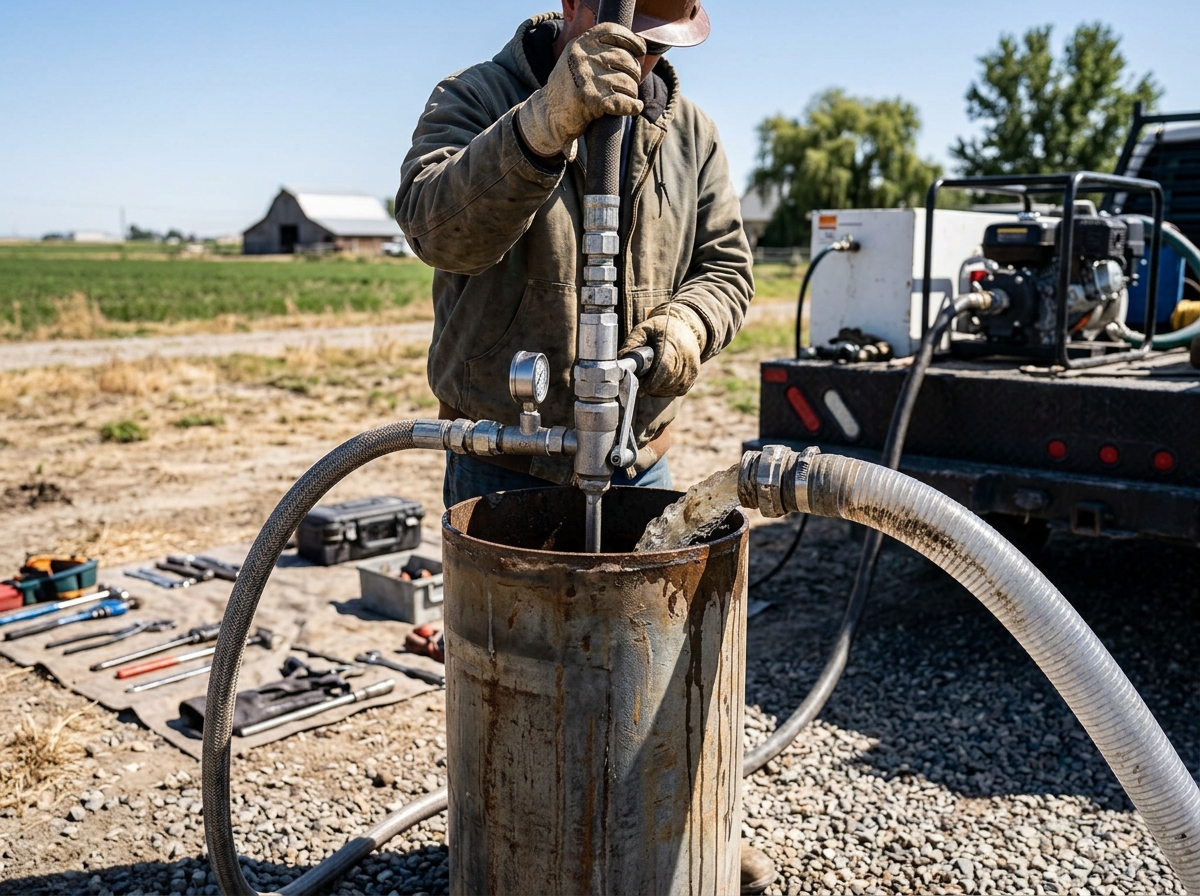
Guide To Well Cleaning Rehabilitation In Nampa
Your water well is one of the most important infrastructure investments on your property. Over time, however, wells can experience reduced flow, poor water quality, and declining performance. Well cleaning and rehabilitation restores your well to optimal function, ensuring reliable access to clean water for years to come. If you own a property in the Nampa, Boise, Caldwell, or Meridian area and have noticed changes in your well's performance, understanding the cleaning and rehabilitation process is essential. This guide covers what you need to know about maintaining and restoring your water well's health.
Why Well Cleaning and Rehabilitation Matters
Water wells naturally accumulate sediment, mineral deposits, and biological growth over their lifespan. Even properly maintained wells can experience reduced capacity due to:
- Sediment buildup in the well screen and surrounding formation
- Mineral encrustation from hard water
- Bacterial biofilm formation
- Iron oxidation and manganese deposits
- Sand infiltration from aquifer shifts
- Corrosion of well components
These issues don't just reduce water flow. They can compromise water quality, increase strain on pump installation and repair systems, and eventually lead to well failure. Regular cleaning and rehabilitation prevents costly emergency repairs and extends your well's productive life.
Understanding the Well Cleaning Process
Professional well cleaning involves several methods tailored to your specific situation. The process begins with a thorough assessment of your well's condition.
Video inspection uses specialized cameras to examine the interior of your well, identifying the exact nature of deposits, blockages, or structural issues. This diagnostic step guides the cleaning strategy.
Mechanical cleaning physically removes sediment and deposits using tools lowered into the well. Surge blocks create pressure changes that dislodge material. Wire brushes scrub the well screen and casing. High-pressure jetting flushes away accumulated debris.
Chemical treatment targets mineral deposits and biofilm that mechanical methods alone cannot address. Acidic solutions dissolve mineral crusts, while biocides eliminate bacterial growth. These treatments are applied carefully to avoid damaging well components or aquifer formation.
Surging and bailing alternates pressure and suction to mobilize sediment and flush it from the well. This traditional technique remains highly effective for many types of buildup.
The specific combination of methods depends on your well's age, construction, water quality issues, and the nature of deposits present.
Well Rehabilitation vs. Simple Cleaning
While well cleaning addresses surface deposits and blockages, rehabilitation is a more comprehensive restoration process.
Well rehabilitation includes cleaning but extends further. It may involve well repair and deepening or rework of existing wells to address structural damage, screen degradation, or formation collapse. Rehabilitation can include:
- Screen replacement or rehabilitation
- Casing repair or replacement
- Aquifer formation stimulation to restore water-producing capacity
- Well deepening to access cleaner water zones
- Complete redevelopment to restore original specifications
If your well has experienced significant performance decline or structural issues, rehabilitation offers a more permanent solution than cleaning alone. It's particularly valuable for older wells that have served your property for decades.
Common Signs Your Well Needs Cleaning or Rehabilitation
Recognizing when your well needs professional attention prevents water emergencies. Watch for these warning signs:
Reduced water flow that develops gradually or suddenly indicates obstruction or pump issues. A well that once filled your tank in an hour but now takes three hours needs attention.
Discolored or cloudy water suggests sediment mobilization, bacterial growth, or mineral precipitation. Brown, orange, or red water often indicates iron or manganese problems.
Unusual odors like sulfur or rotten eggs point to bacterial contamination or hydrogen sulfide issues that cleaning can address.
Visible sediment in water storage tanks or faucets means particles are reaching your system.
Pump strain and noise may indicate the pump is working harder to draw water, a sign of reduced well capacity or increased sediment.
Failed water quality tests for bacteria, nitrates, or other contaminants sometimes improve after professional cleaning and rehabilitation.
Don't wait for complete well failure. Addressing these issues promptly is far more cost-effective than emergency repairs or well replacement.
The Well Cleaning Process for Nampa Area Properties
In the Nampa region, well performance issues often stem from specific geological and hydrological conditions. The Treasure Valley aquifer system supplies water to thousands of wells, but local variations mean each well has unique characteristics.
Sediment-laden aquifer zones, mineral-rich water, and agricultural runoff concerns are common in Nampa and surrounding areas. Professional well cleaning and rehabilitation must account for these regional factors.
Local contractors familiar with Nampa, Boise, Caldwell, and Meridian geology understand which cleaning methods work best for area wells. They know which aquifer zones typically produce problematic sediment and how to target cleaning efforts effectively.
How to Choose a Well Cleaning Service
When selecting a contractor for well cleaning or rehabilitation, consider these factors:
Experience and credentials matter significantly. Your contractor should have years of well service experience, proper licensing, and insurance coverage. Ask for references from past clients in your area.
Equipment and methods should be modern and appropriate for your well type. A contractor using only outdated techniques may not address your specific issues effectively.
Diagnostic capability is essential. The contractor should perform video inspection and water quality testing to understand your problem fully before proposing solutions.
Licensing and permits ensure work meets Idaho well construction standards and environmental regulations. Never hire unlicensed operators for well work.
Warranty or guarantee on work performed shows confidence in their results. Reputable contractors stand behind their rehabilitation efforts.
Transparent pricing without hidden charges or pressure to perform unnecessary work indicates trustworthy service.
Maintaining Your Well After Cleaning
Professional cleaning and rehabilitation provide an opportunity to reset your well's health. Proper maintenance extends the benefits:
- Test water quality annually for bacteria and contaminants
- Have your pump serviced regularly to prevent strain on the well
- Monitor water flow and quality for early signs of new problems
- Avoid pouring chemicals, oils, or contaminants down drains
- Maintain proper well cap and sanitary seal to prevent surface contamination
- Consider periodic maintenance cleaning every five to ten years
Regular monitoring and preventive maintenance are far more economical than waiting for serious problems to develop.
Well cleaning and rehabilitation restore your water well's performance and extend its productive life. Whether you're dealing with reduced flow, water quality issues, or simply want to maintain your well's health, professional cleaning and rehabilitation services address the root causes of well decline. In the Nampa, Boise, Caldwell, and Meridian areas, experienced well contractors understand the specific geological and hydrological challenges that affect local wells. They have the expertise, equipment, and knowledge to properly diagnose and address your well's needs. If you've noticed changes in your well's performance or water quality, don't delay. Contact KLS Water Well to schedule a professional inspection and learn what cleaning or rehabilitation methods will best restore your well to optimal function. Your reliable water supply depends on it.