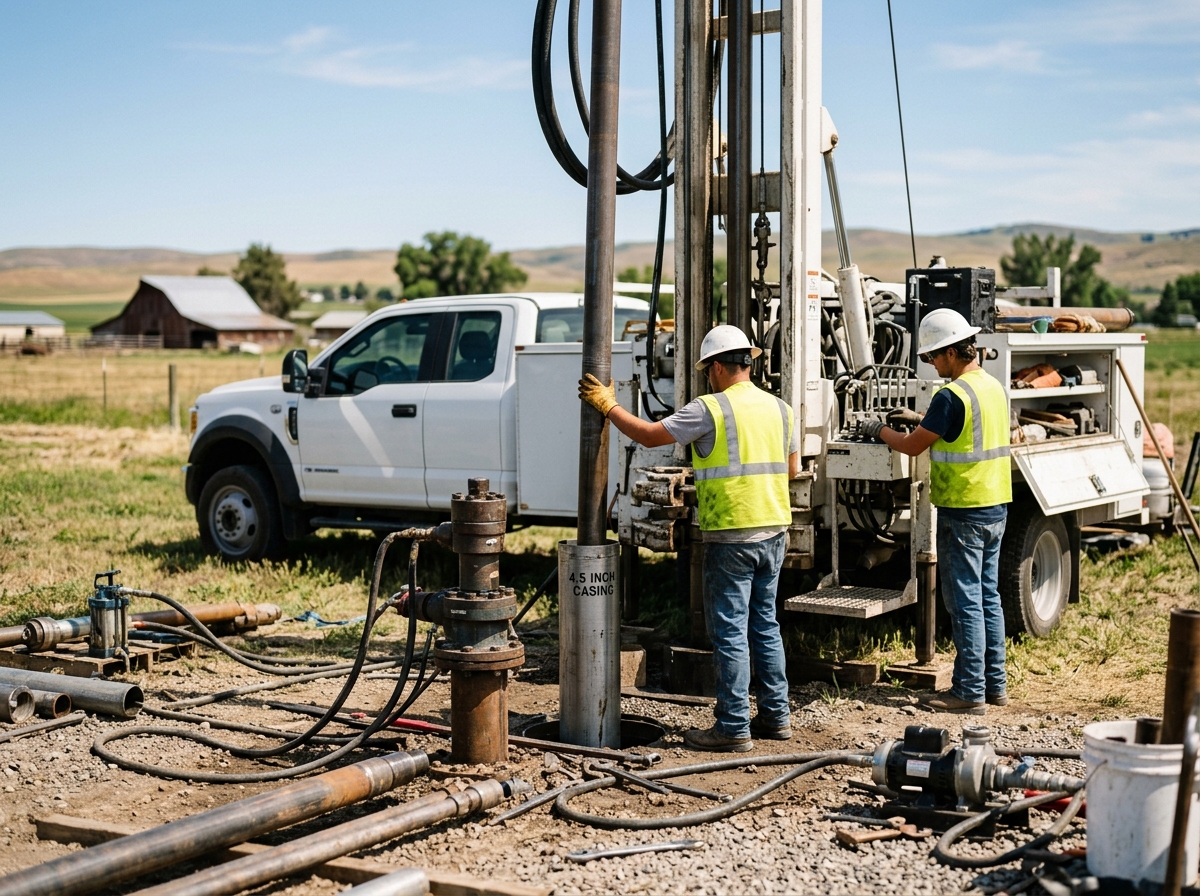
Well Repair and Deepening Services in Caldwell: A Local Guide
Your well is one of the most critical infrastructure assets on your Caldwell property. When water production drops, pressure fluctuates, or your well stops performing as it once did, the question becomes clear: do you repair the existing well, deepen it, or pursue a complete rework? Understanding these options and when to pursue them can save you thousands of dollars and weeks of downtime. Caldwell's unique hydrogeology, climate patterns, and groundwater conditions make well maintenance and rehabilitation essential skills for local property owners. Whether you're dealing with a residential well that's losing yield or an agricultural system that needs expanded capacity, knowing what's possible with repair and deepening work helps you make informed decisions about your water supply. This guide covers what Caldwell residents should know about well repair, deepening, and rework services, when these solutions make sense, and why professional expertise matters in our region.
Understanding Well Repair vs. Deepening in Caldwell
Well repair and deepening are distinct services, though they sometimes work together. Repair addresses mechanical or structural problems in an existing well: corroded casings, broken pump components, contaminated water lines, or failed seals. Deepening extends a well into deeper aquifer layers when shallow zones no longer produce adequate water.
Caldwell sits in the Treasure Valley, where groundwater availability varies significantly by depth and location. Some properties tap into productive zones at 200 feet, while others require drilling to 500 feet or deeper. Seasonal water table fluctuations also affect well performance, particularly during dry summers when demand peaks and water levels drop.
If your well suddenly lost water pressure or began producing rust-colored water, repair may be the answer. If your well still works but produces insufficient volume for your needs, deepening could expand capacity without drilling an entirely new well.
When Caldwell Properties Need Well Repair
Several warning signs indicate your well needs professional repair work. Low water pressure that affects multiple fixtures suggests pump failure or pressure tank issues. Discolored water, sediment, or unusual taste often point to casing corrosion or contamination in the well column. Reduced flow rate that develops gradually typically means sand infiltration, screen failure, or mineral buildup reducing the aquifer's ability to deliver water.
Caldwell's water chemistry includes moderate hardness and occasional iron content, which can accelerate internal corrosion over decades. Wells installed in the 1980s and 1990s may have casings nearing the end of their service life. If your well is older than 30 years and showing performance decline, professional inspection becomes essential.
Pump failures are equally common. Submersible pumps operating in Caldwell's groundwater typically last 10 to 15 years before wear and cavitation reduce efficiency. Surface pumps may last longer but require more maintenance. A professional well contractor can diagnose whether repair or replacement makes economic sense.
The Well Deepening Process for Caldwell Conditions
Deepening an existing well involves carefully extending the casing and drilling deeper into productive aquifer zones. This isn't simply drilling straight down; it requires precision to avoid damaging the existing well structure and to reach zones that will actually produce water.
Caldwell's geology includes multiple aquifer layers separated by clay and silt barriers. A well contractor must understand local hydrogeology to target productive zones. Drilling too deep wastes money; drilling to the wrong depth produces no additional water. This is where local knowledge proves invaluable.
The deepening process typically begins with well inspection using video equipment to assess casing condition and identify problem areas. If the existing casing is compromised, repair or replacement may be necessary before deepening proceeds. The contractor then carefully extends the well, maintaining proper diameter and ensuring the new section integrates securely with existing infrastructure.
For Caldwell property owners, deepening often costs 40 to 60 percent less than drilling an entirely new well, making it an attractive option when capacity is the primary concern.
Well Rework and Rehabilitation Services
Complete well rework addresses multiple issues simultaneously. This might involve pulling and replacing corroded casing, installing new screens or perforations to access different aquifer zones, rehabilitating the well bore to remove sediment and mineral deposits, and upgrading pump systems.
Well rehabilitation is particularly valuable for Caldwell properties where wells have operated for decades. Mineral-encrusted screens reduce flow significantly. Sediment buildup in the well bore restricts water movement. Corroded casing allows contamination pathways. Rework addresses all these problems in a single project.
Rehabilitation also includes well cleaning and development, processes that restore aquifer connectivity and maximize water production from existing formations. This is less invasive than deepening and often restores wells to near-original performance.
Local Caldwell Considerations for Well Work
Caldwell's regulatory environment requires permits for well drilling, deepening, and major repair work. Idaho Department of Water Resources oversees groundwater use and well drilling standards. Professional contractors handle permitting, but property owners should understand that unpermitted work can result in fines and well abandonment orders.
Caldwell's water table varies seasonally and by location. Properties near the Boise River or in lower-lying areas may have shallower water tables, while elevated areas require deeper drilling. Summer months see significant water table decline as agricultural irrigation demand peaks. Well maintenance scheduled during winter often reveals problems that become critical during summer months.
Soil conditions also matter. Some Caldwell areas have dense clay layers that complicate drilling, while others feature more permeable soils that allow faster drilling but require careful screen design to prevent sand infiltration.
Why Professional Well Contractors Matter in Caldwell
DIY well repair is not advisable. Groundwater contamination, structural failure, and equipment damage are serious risks. Professional contractors bring specialized equipment, local hydrogeological knowledge, and experience diagnosing well problems accurately.
Pump installation and repair requires specific expertise, as does well deepening in Caldwell's complex geology. Contractors also understand local water quality issues and can recommend solutions that prevent future problems.
Working with KLS Water Well for Caldwell Properties
KLS Water Well, based in nearby Nampa, serves Caldwell with well repair, deepening, and rework expertise grounded in Treasure Valley hydrogeology. Our team understands local water conditions, aquifer characteristics, and regulatory requirements. We approach each project with careful diagnosis before recommending solutions, ensuring you invest in repairs that actually solve your water problems.
Whether your Caldwell well needs simple repair or comprehensive rework, professional assessment guides your decision. Contact KLS Water Well for a consultation about your well's condition and options.
Well repair and deepening services offer Caldwell property owners practical solutions to water supply challenges. Understanding when repair makes sense, when deepening expands capacity cost-effectively, and when complete rework is necessary helps you make informed decisions about your most essential resource. Caldwell's unique hydrogeological conditions require local expertise. Professional well contractors bring the knowledge and equipment to diagnose problems accurately and implement solutions that restore reliable water supply. If your well is underperforming, losing pressure, or producing water quality concerns, professional evaluation is your first step toward resolution.